The typical doublings and distortions with Optical Flow Speed Warp has this motif well under control. Twixtor is slightly better defined. But Aion is even more precise.
All established methods are based on recognising details in successive individual images and use these to calculate motion vectors. This is then used to calculate the displacements of pixel groups for the intermediate images. This works best if the images have little blurring and good contrast. In addition, such slow motion is usually better if the source material has already been recorded at 50 fps or more. The algorithms primarily have difficulties with uniform patterns where the direction of movement can be incorrectly recognised. They also have problems with segmentation, i.e. distinguishing between moving foreground elements and the background or intersecting movements. Twixtor is not quite as easy to use in Resolve as Speed Warp. The typical artefacts are "ghost images", i.e. additional elements where there were ...
Hello Stranger!
This article is exclusively for Digital Production Subscribers.
If you are already subscribed, please log in below,
if you aren't subscribed, What are you waiting for?
Subscribers get
exclusive access to many articles like the one you just wanted to read,
can directly contact the authors or the newsroom,
can download many cool things from the archives,
support one of the last independent platforms weithout an "Algorithm"
and are granted exclusive bragging rights for being a better person!
Get an overview on what's available here, and access everything on the site!
If you need another reason,
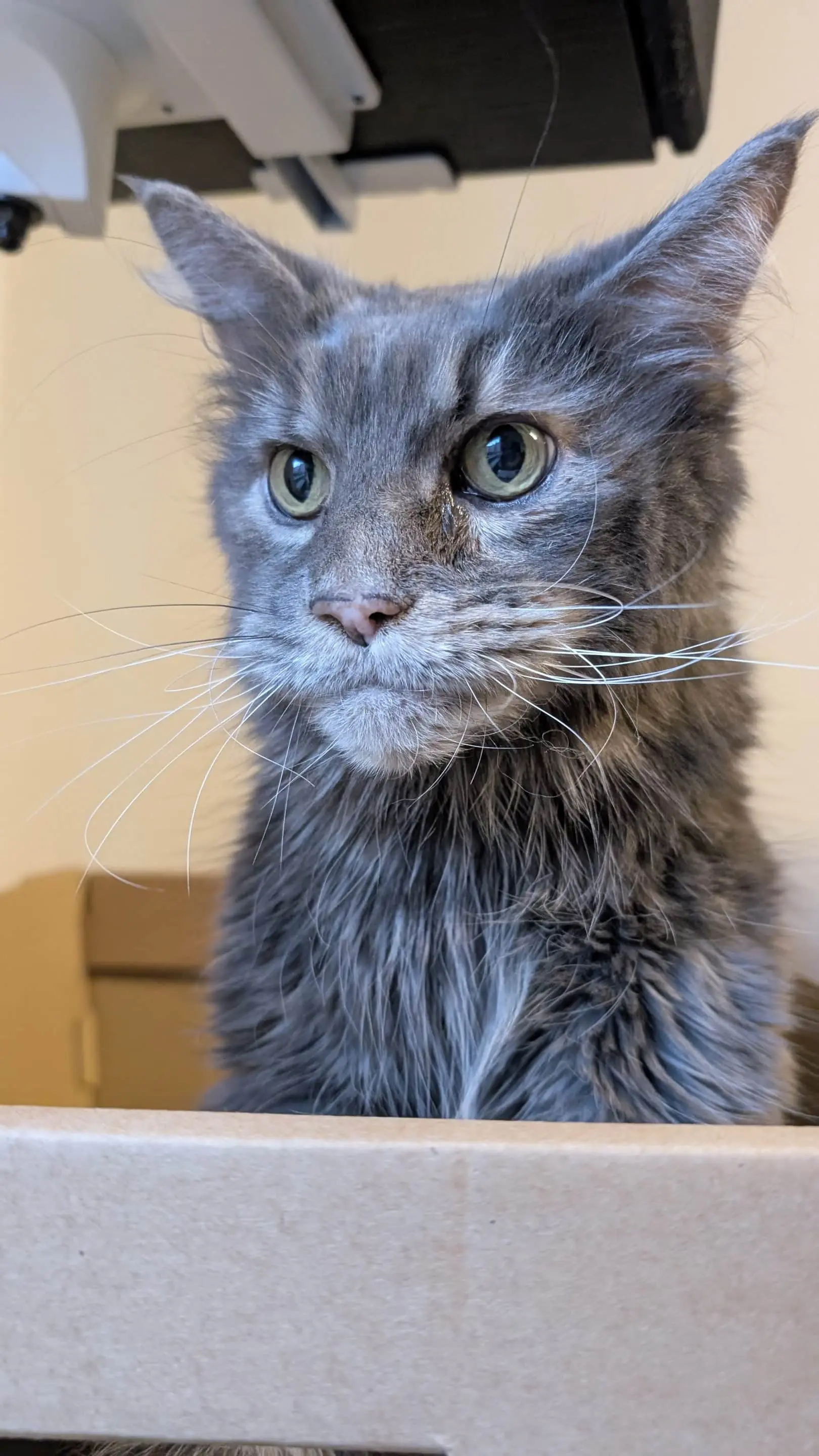
here is a picture of the editorial cat,
which you'll be supporting as well!